Internet & Connectivity in Mongolia: SIM Cards, Coverage and Staying Online
2026-06-14
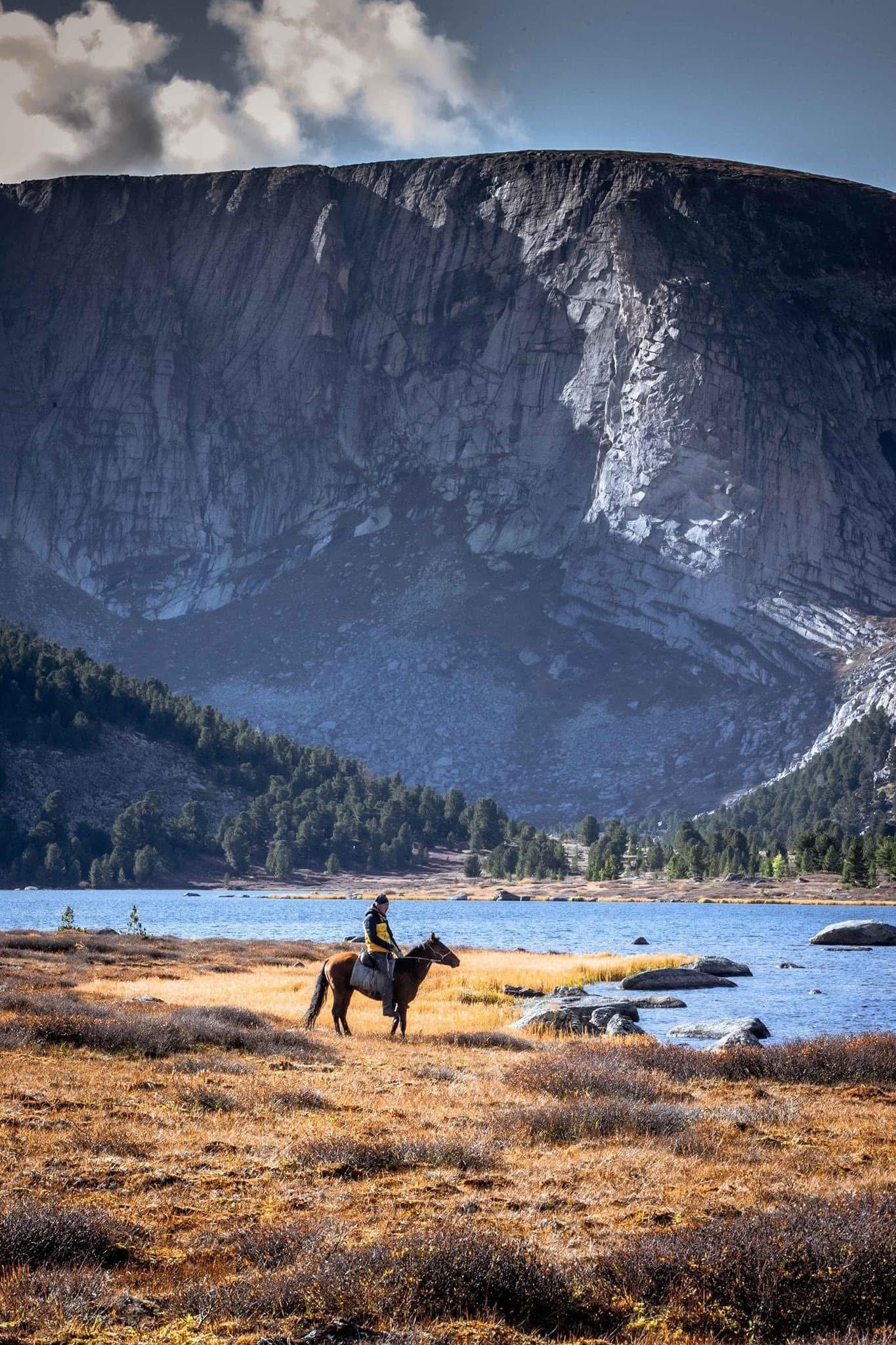
How to get a local SIM, where mobile data actually works, and how to stay reachable once you leave the cities.
Mongolia surprises many travellers: in Ulaanbaatar you will find fast, modern mobile networks, yet a few hours' drive later you may have no signal at all. Understanding how connectivity works here helps you plan, stay reachable and avoid frustration on the road.
Getting a local SIM card
The two main mobile operators are Mobicom and Unitel. Both offer affordable prepaid SIM cards with generous data packages, and coverage between them is broadly similar in populated areas. You can buy a SIM at the airport on arrival, at operator shops in the city, and at many small kiosks and supermarkets.
- Bring your passport, as registration is required to activate a SIM.
- Ask the staff to load a data package for you and test it before you leave the shop.
- If your trip covers remote regions, a SIM from either Mobicom or Unitel is a sensible backup to your home roaming.
Most modern phones work without issue. If your phone supports eSIM, a few travel data providers cover Mongolia, but a physical local SIM is usually cheaper and more reliable.
Coverage: cities versus countryside
In Ulaanbaatar and provincial centres, 4G is widely available and generally fast enough for video calls, maps and uploading photos. The same is true in larger towns such as Kharkhorin near the old capital of Erdene Zuu.
Once you head into the countryside, the picture changes. Across the Gobi, the Orkhon valley, Khövsgöl and the western mountains of Bayan-Ölgii and the Altai, you can expect signal near settlements (sums) and weak or no coverage in between. Popular areas like Terelj, relatively close to the capital, are usually well covered, while deep-desert spots near Khongor or the canyons of Yoliin Am may have little to none.
What this means in practice
- Treat connectivity as occasional, not constant, once you leave paved roads.
- Send important messages whenever you pass through a town.
- Tell family or colleagues in advance that you may be offline for a day or more.
Wi-Fi in ger camps and hotels
City hotels in Ulaanbaatar offer reliable Wi-Fi. Tourist ger camps increasingly provide Wi-Fi in the main restaurant or reception ger, though speeds are modest and the connection can be shared among many guests. Treat it as enough for messaging and email rather than streaming. In the most remote camps, satellite-based internet is appearing but should not be assumed.
Staying reachable on tour
If you travel with a guide or driver, they almost always carry a phone and know which network performs best in each region. This is one of the quiet advantages of a guided trip: your team can relay messages, call ahead to camps and reach help if needed, even when your own phone shows no bars.
- Keep a power bank charged; vehicle charging is common but not guaranteed.
- Save key contacts and your itinerary offline.
- Consider sharing your route with someone at home before departure.
Offline maps and apps
Because coverage is patchy, offline maps are essential. Download your route and regions in advance using an app such as Maps.me or Google Maps offline areas while you still have Wi-Fi. Translation apps with offline language packs are also useful, as English is limited outside the capital.
For busy periods like Naadam from 11 to 13 July, networks in Ulaanbaatar can be congested, so download tickets, addresses and confirmations beforehand. With a little preparation, you can enjoy Mongolia's vast, quiet landscapes without worrying about whether you have a signal.