Getting to Mongolia: Flights, the Trans-Mongolian Railway, and Domestic Travel
2026-06-14
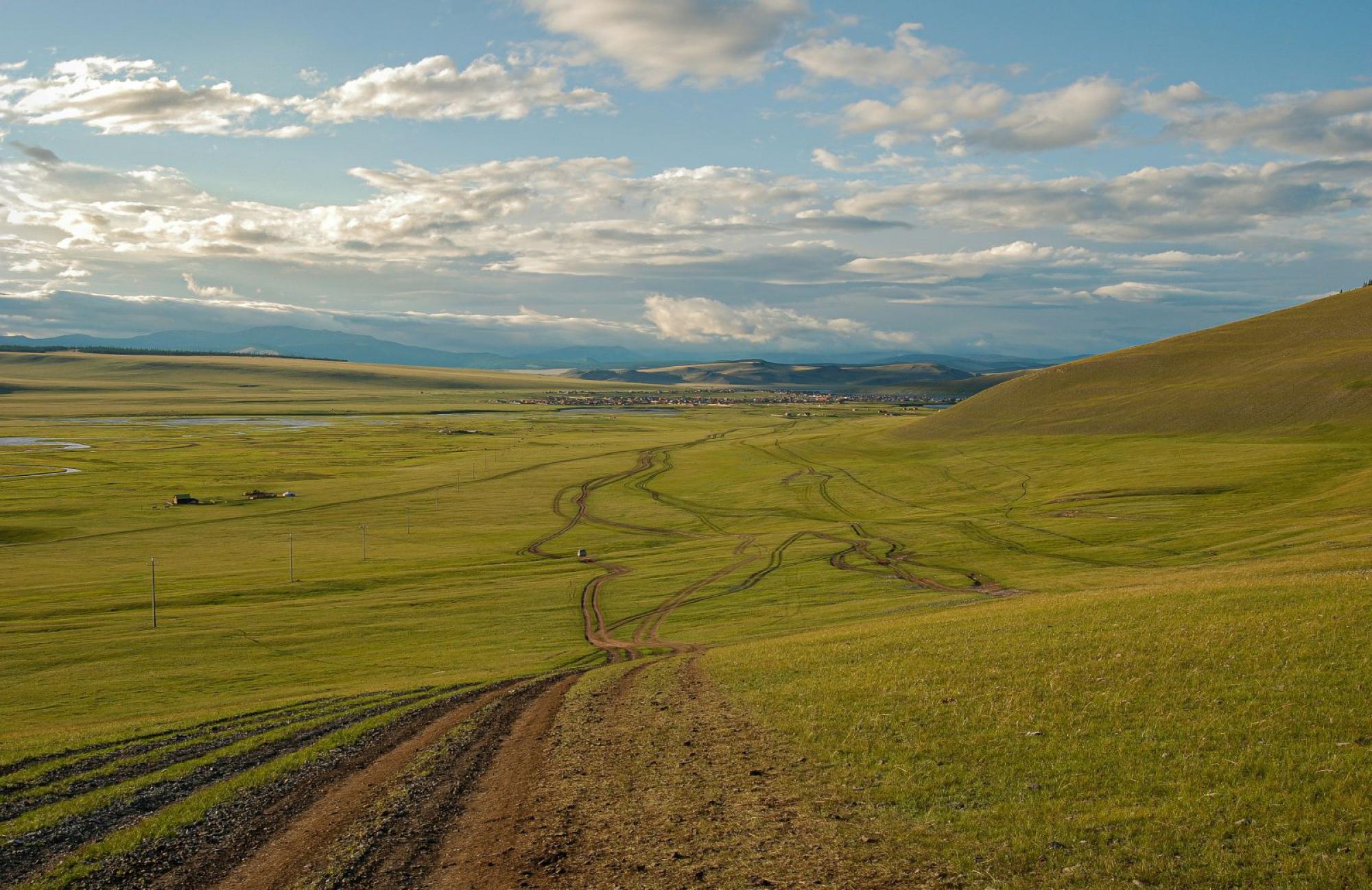
A practical overview of how to reach Mongolia by air or rail and how to continue on to its more remote regions.
Mongolia sits between Russia and China, far from the sea and far from most international flight networks. That distance is part of its appeal, but it also means a little planning goes a long way. This guide explains the main ways travellers reach the country and how to continue onward to its more remote corners.
Flying into Ulaanbaatar
Almost all international air travellers arrive at Chinggis Khaan International Airport (airport code UBN), which serves the capital, Ulaanbaatar. The airport lies outside the city, and the transfer into town usually takes around 45 minutes to an hour depending on traffic.
There are no long-haul flights from Europe or North America directly to Mongolia, so nearly everyone connects through a regional hub. The most common gateways include cities in East Asia, Northeast Asia and Central Asia, with onward flights to Ulaanbaatar operated by a handful of carriers.
- From Europe: typically one or two connections, often via a major Asian or Middle Eastern hub.
- From East Asia: direct flights are available from several regional capitals, usually a few hours' flying time.
- From Central Asia: seasonal and year-round options connect through neighbouring countries.
Flight frequency rises noticeably in the summer travel season, especially around the Naadam festival (11-13 July), so booking ahead for those dates is wise.
The Trans-Mongolian Railway
For travellers who prefer to watch the landscape change slowly, the Trans-Mongolian railway is one of the great overland journeys. The line links Russia and China, passing through Ulaanbaatar, and forms part of the wider Trans-Siberian network.
From Russia
Trains travel south from Siberia, crossing the border and descending through forest and steppe before reaching Ulaanbaatar. The full journey takes more than a day, and many travellers break it into stages.
From China
Coming from the south, the route climbs out of China and crosses the Gobi region toward the capital. At the border, the train's wheel assemblies (bogies) are changed to match the different track gauge, which adds several hours but is a memorable part of the trip.
Rail tickets and berths are limited, particularly in summer, so reserve well in advance. Bring snacks, water and something to read, as facilities along the way can be basic.
Domestic flights to far regions
Mongolia is vast and sparsely populated, and roads to outlying areas can be long, rough and slow. For destinations far from the capital, domestic flights save days of overland travel.
- Western Mongolia: regions such as Bayan-Olgii and the Altai are most easily reached by air, then by road to your final destination.
- Northern Mongolia: flights shorten the trip toward the Khovsgol lake area before a road transfer.
- The Gobi: seasonal services run toward the southern desert regions during the main travel months.
Domestic schedules are seasonal and can change, and small aircraft are sensitive to weather and baggage limits. Pack light, keep your plans flexible, and allow a buffer day around any onward connection.
Planning your arrival
Whichever way you come, build in time to rest after a long journey and confirm your onward arrangements once in Ulaanbaatar. If you are unsure which combination of flights, rail and domestic legs suits your route, send us your dates and destinations and we will help you map out a realistic itinerary.