Best Time to Visit Mongolia: A Month-by-Month Guide
2026-06-14
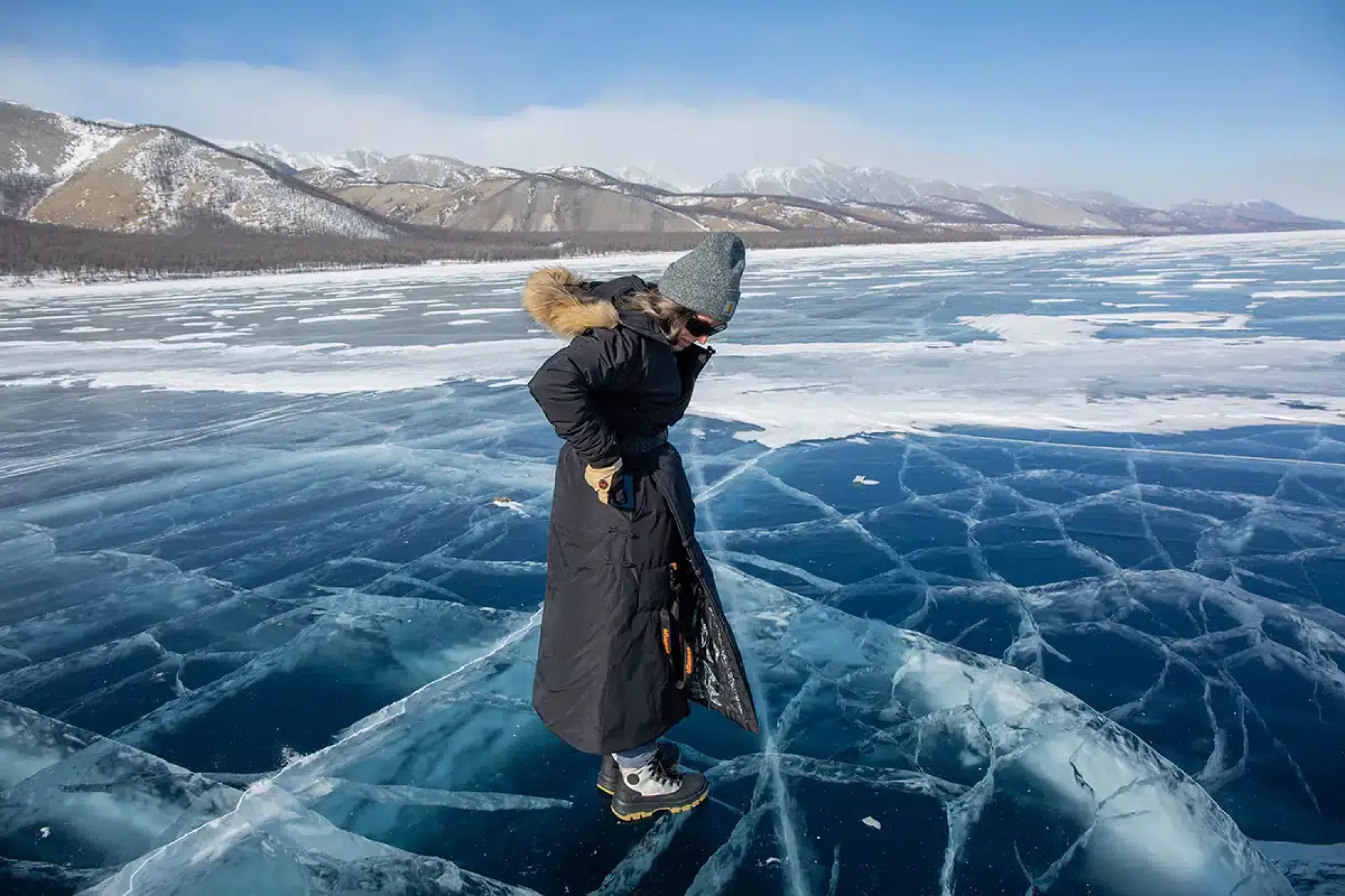
From summer steppe greenery and Naadam to autumn eagle hunters and deep-winter ice, here is when to plan your Mongolia trip.
Mongolia is a land of extremes, and timing your trip well is the difference between sun-warmed grasslands and biting cold. The country has four distinct seasons, very low humidity and famously clear skies. Below is a practical month-by-month guide to help you decide when to come.
Summer (June to August): the classic season
This is when most travellers visit, and for good reason. The steppe turns green, wildflowers appear, nomadic families move to summer pastures, and the days are long and bright. Daytime temperatures are pleasant, though nights can still feel cool, especially in the mountains and at Khövsgöl.
Naadam, the highlight of July
The national Naadam festival runs on 11 to 13 July, with the main celebrations in Ulaanbaatar and smaller, more intimate versions in the countryside. Naadam centres on the "three manly games": wrestling, horse racing across open country, and archery. It is the single most popular time to visit, so flights and good accommodation in Ulaanbaatar fill up well in advance.
- Best for: first-time visitors, festivals, green-steppe photography, riding and trekking.
- Watch out for: peak crowds and prices around Naadam, and occasional summer rain showers.
Autumn (September to October): golden light and eagles
Autumn is a quiet favourite. The crowds thin out, the air is crisp and clear, and the landscape glows in gold and amber. It is an excellent time for the Gobi, for the Orkhon Valley and for photography.
The Golden Eagle Festival
In the far west, in Bayan-Ölgii, Kazakh eagle hunters gather each autumn to display their trained golden eagles. It is one of Mongolia's most striking cultural events, set against the Altai mountains. Getting there takes time, so plan a few extra days.
- Best for: the Gobi, fewer tourists, eagle hunters, autumn colour.
- Watch out for: nights turning cold quickly, especially by mid-October.
Winter (November to February): ice, silence and Tsagaan Sar
Mongolian winters are long and genuinely cold, with temperatures well below freezing and Ulaanbaatar among the chilliest capitals on earth. Yet winter has a stark beauty: frozen lakes, snow-dusted dunes and empty, glittering landscapes. On Lake Khövsgöl the thick ice draws a small but growing number of visitors for an ice festival.
Tsagaan Sar, the lunar new year, usually falls in late January or February and is the most important family celebration of the year. It is a wonderful but very domestic occasion, centred on home visits and food rather than public spectacle.
- Best for: adventurous travellers, ice and snow, authentic nomadic winter life.
- Watch out for: severe cold, shorter days and limited countryside services.
Spring (March to May): a season of change
Spring is the least predictable time. The land is still recovering from winter, dust and wind are common, and the famous green only arrives late in the season. It can, however, be rewarding for travellers who want solitude and the first signs of new life, including newborn livestock on the steppe.
- Best for: budget-conscious, crowd-averse travellers seeking quiet.
- Watch out for: wind, dust and very changeable conditions.
So, when should you go?
For most visitors, July offers the best mix of weather, scenery and culture, especially with Naadam. If you prefer space and soft light, choose September. For the Golden Eagle Festival, plan for autumn in Bayan-Ölgii, and for a true adventure, brave the winter ice. If you would like help matching a season to your interests, send us your dates and we will gladly advise.